
by Anna V.
Meat is expensive. It always has been. Prices are higher, sure, but it’s never really been cheap. Many people don’t think of it as the most expensive item but ounce for ounce it is. It’s why when you go to a hotel breakfast buffet the meat will generally be placed at the very end so you fill your plate with the less expensive fruit and bagels and can’t get as much of the pricier sausage and bacon.
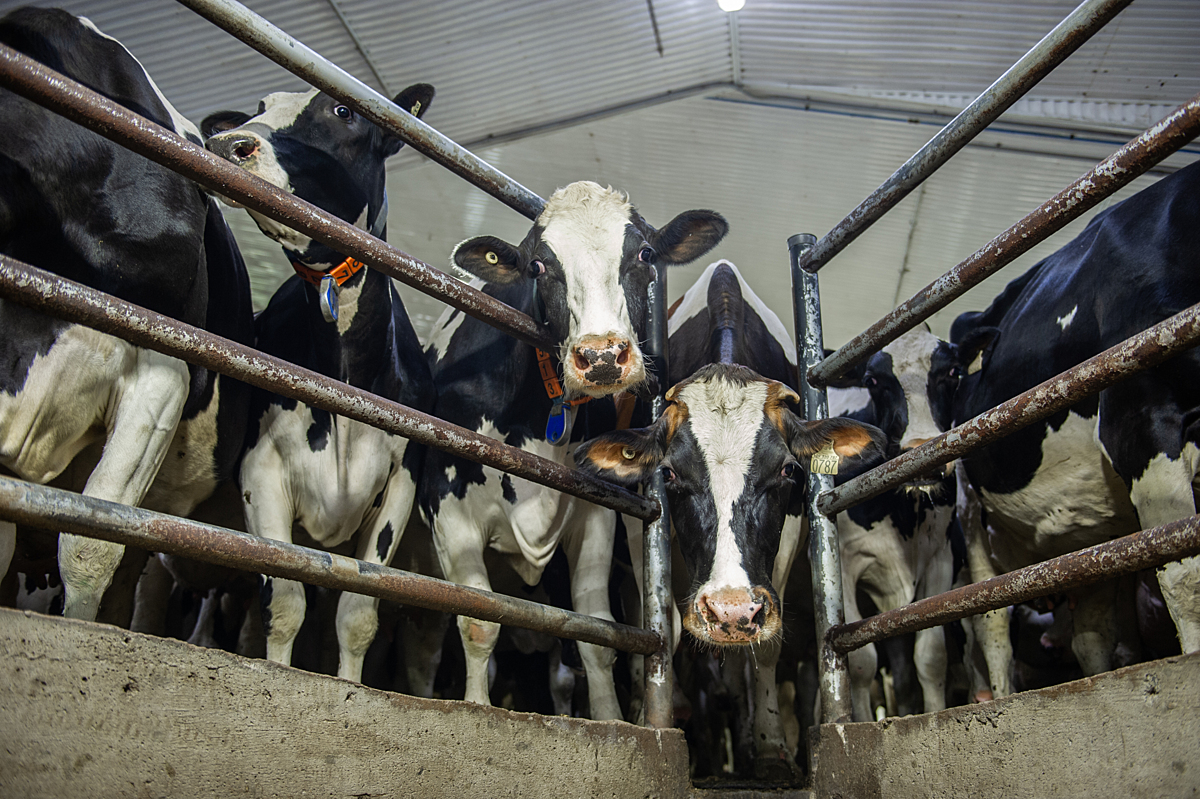
The reason meat costs so much is due to the amount of resources needed to produce it. Before you can slaughter a cow you need to give it feed made from corn and soybeans for one to two years. Grass fed beef is even more expensive as it takes longer to get a cow up to slaughter weight on grass alone. This is why multiple studies have found that vegetarian diets can be less expensive, because instead of feeding soy beans to a cow for a year or more you can just make them into tofu.
That’s why it is concerning that the new USDA Dietary Guidelines for Americans increase the protein recommendations and are emphasizing eating beef – as well as the similarly expensive dairy – to meet those new recommendations.
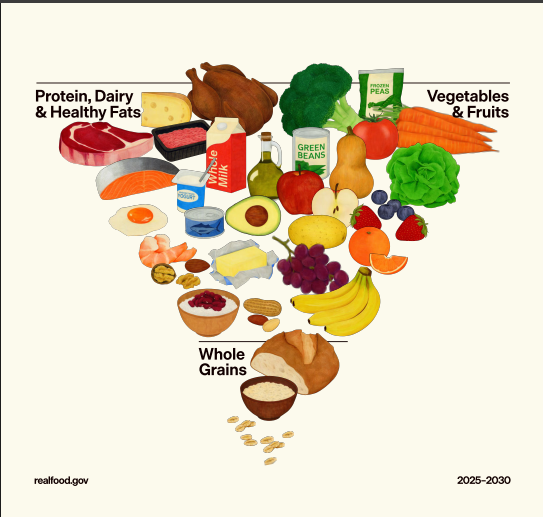
It would be one thing if these changes were backed by science, but most nutrition experts heavily disagree with these guidelines. The Academy of Nutrition and Dietetics released a statement expressing concerns over the new recommendations (source). Furthermore, the guidelines actually contradict themselves. For example, they keep the recommendation from the previous guidelines to keep saturated fats consumption under 10% of total calorie consumption. However, in the list of recommended cooking fats are “beef tallow, butter, and olive oil,” two of which are saturated fats. Not only would canola and soybean oil be healthier, but they are less expensive, so it seems the new guidelines are going out of their way to make Americans spend more money on worse health.
Now it would be easy to write this off and say, “Well, everyone knows RFK Jr is crazy, no one is going to listen to him.” However these guidelines aren’t just suggestions for the average American. They instruct how federal food programs like WIC and School Lunches are set up. So if the guidelines aren’t making Americans healthier and aren’t reducing costs, who do they benefit? Well luckily they tell us on page 2: “We are realigning our food system to support American farmers, ranchers, and companies who grow and produce real food . . .”
A lot of people think of farmers as working class but don’t let the big trucks and boots fool you. A lot of farms are owned by large companies or families with generational wealth who make their profit exploiting the low paid farm workers who are the ones actually getting their hands dirty. These profits translate into power via groups like the National Cattlemen’s Beef Association and the Global Dairy Platform who go on to influence politics.
This problem isn’t even unique to the current administration. Probably for as long as you can remember you’ve seen the recommendation that adults need three servings of dairy a day. This has been heavily contested over the years. It’s not that you can’t have a balanced diet with that much dairy in a day, it’s just that it isn’t always necessary. Many people, especially those of non-European backgrounds, get all their nutrients in with little to no dairy. However, it’s in the guidelines and therefore has an effect on government programs. I once spoke to someone who had been on WIC and complained that they gave her way more milk and cheese than she knew what to do with.
So it seems these new Dietary Guidelines are continuing the theme of taking existing problems in our government and cranking them up to 11. The exact effects on programs like WIC haven’t been seen yet but they’re not likely to help struggling families. However, these guidelines aren’t meant to help them. They are meant to help the wealthy cattle ranchers who will destroy our environment, government, and health if it means increasing their own wealth.