
Previous entries — Part One: Introduction; Part Two: Electoral Politics
There were two different approaches to “the labor question” in the 1910s SPA. The first approach was to work within the existing unions. In the early 20th century, the dominant AFL was composed of trade unions representing workers with specific skills, did not stand up for broader working class interests, and was bigoted and exclusionary towards racial minorities and women. Many socialists sought to confront the AFL leadership and push unions in a different direction. This included Clevelander Max Hayes, who would at one point win close to a third of the vote in the AFL leadership race, and is now commemorated in a namesake West Side high school.
Others sought to follow the path of dual unionism, which was advocated by the SLP, and organized on a mass scale following the founding of the International Workers of the World (IWW) in 1905. Wobblies, as IWW members were at times known, favored industrial unions, which represented sectors or workplaces, rather than workers with specific skills. This advocacy for industrial unionism was shared by others in the SPA (including some in the AFL), but was not reflected within the party’s platform for most of the 1910s.
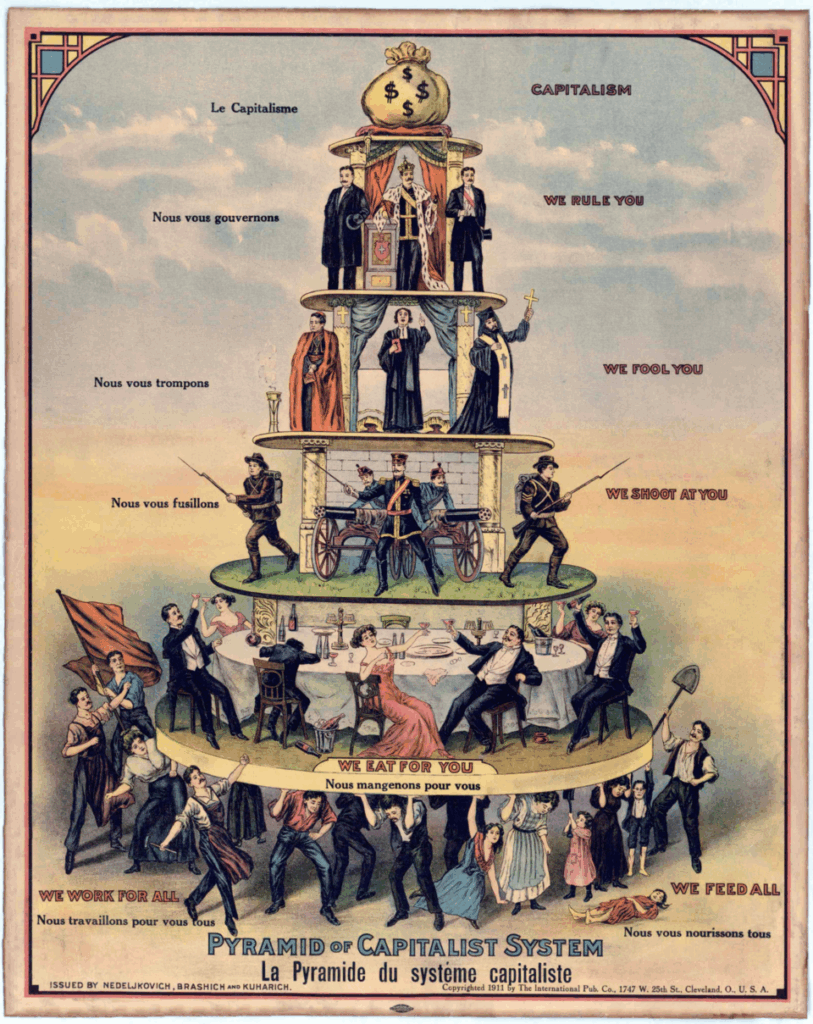
Labor organizing was another topic where Ruthenberg demonstrated a commitment to unity, despite the bitter divides among SPA members. As his biographer stated, “his primary interest was in labor’s struggle, whether led by a craft union or industrial union.” This principle of solidarity came to the forefront as worker organizing escalated. In 1911, Cleveland saw the historic International Ladies’ Garment Workers Union strike, with thousands of workers participating. In his mayoral campaign of that year, Ruthenberg argued that the power of the state should be wielded in favor of the workers through the swearing in “a hundred of the coolest heads among the strikers” as special police. Three years later, Cleveland teachers organized a union, working in solidarity with a group of mothers from the school districts. Ruthenberg again supported this organizing, which was ultimately derailed by the administration’s firing of pro-union teachers. This repression of worker organizing was upheld by a frequent enemy of workers – District Judge David Westenhaver, who effectively delayed the unionization of Cleveland teachers until 1934. The same year, Ohio miners were locked out of their workplace following the passage of a new labor law, which the mine owners hoped to appeal as unconstitutional. In response, Ruthenberg called on the Ohio Socialist Party to push for immediate state ownership and worker operation of the coal mines. Later on, Ruthenberg would unionize his own white-collar workplace, and lead mass rallies of workers including IWW and AFL members.
The unity practiced by Ruthenberg and the Cleveland local is admirable, and carried on within DSA’s labor organizing approach today. While there are still contentious debates to be had within DSA regarding our approach to labor organizing, the disagreement is over narrower territory. This is largely a reaction to the changes in the labor movement within the past century, shifting predominantly towards industrial unions which are much more willing to embrace the entire working class. This has eliminated a considerable portion of the impetus for dual unionism. Instead, DSA labor work now focuses on organizing new workplaces into unions, and bringing existing unions towards a more militant posture and political unity with our aims. As we undertake this work, as I am honored to do as Cleveland DSA’s elected Union Liaison, we should strive for the same levels of mass organizing as the SPA, bringing thousands of workers towards a socialist vision.
Please return tomorrow for Part Four: Diversity in the SPA