| Acronym | Meaning |
| DSA | Democratic Socialists of America |
| SPA | Socialist Party of America |
| AFL | American Federation of Labor |
| IWW | International Workers of the World |
| SLP | Socialist Labor Party |
Introduction / Background
So far, 2026 has been a huge year for the Democratic Socialists of America (DSA). We have reached over 100,000 DSA members, the highest ever, and have seen heightened electoral success, most prominently with the election of Zohran Mamdani as Mayor of New York City. As organizers within DSA grapple with the contradictions of this success, Eric Blanc and Steven R have made comparisons to the municipal socialism of the early 20th century Socialist Party of America (SPA), with a specific focus on Milwaukee’s sewer socialists which occupied their city hall for decades.
While DSA has not reached the SPA’s peak of 112,000 dues-paying socialists (or anywhere close when adjusted for population), Mamdani’s victory and our membership growth shows that we may be approaching similar political relevance. As argued by longtime DSA member David Duhalde in a piece comparing DSA to the SPA: “The U.S. socialist movement has returned, in some ways via a long reroute, to its original structures and impact.” As we continue to grow this movement, we have and will continue to face similar challenges to those of the 1910s SPA. For this reason, it is important to continue our study of socialism’s history.
As many DSA members acknowledge this, the focus on Milwaukee, a city with many years of socialist governance, is understandable. However, as a member of Cleveland DSA, I am particularly interested in examining the vibrant socialist history in this part of the country, which saw its own share of socialist victories. As a result of the SPA’s electoral success in various municipalities early in the 1910s, this state was dubbed “Red Ohio”. By the end of the decade, Ohioan mass socialist organizing had arguably reached its all-time peak, as Cleveland’s SPA local led 30,000+ workers into the streets in the 1919 May Day demonstration.
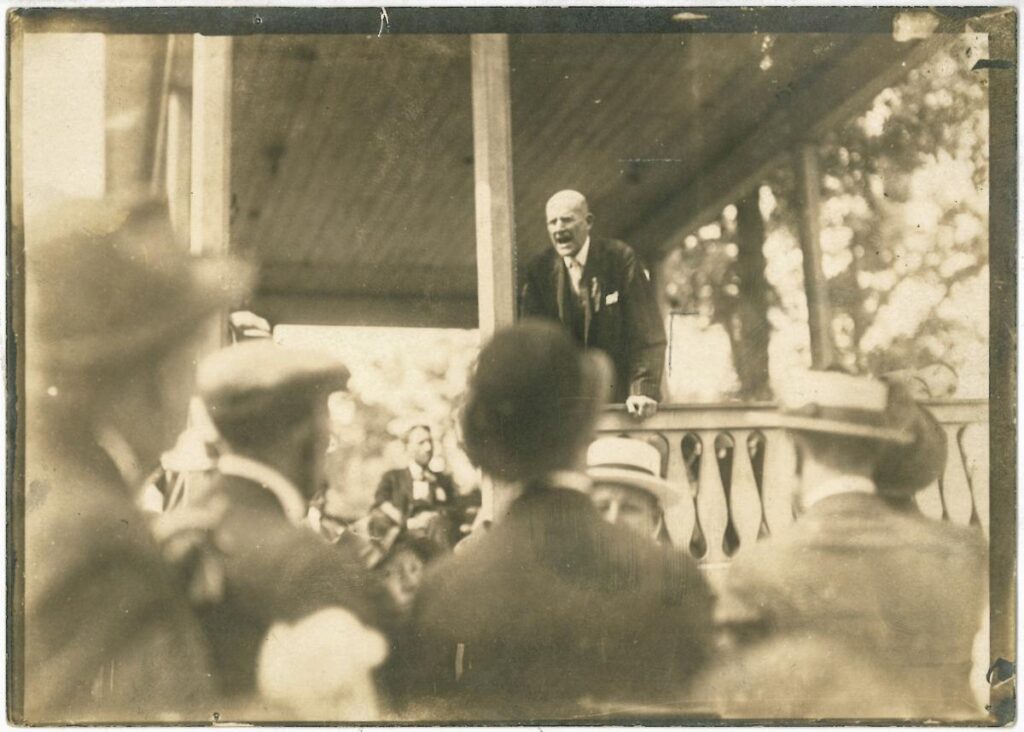
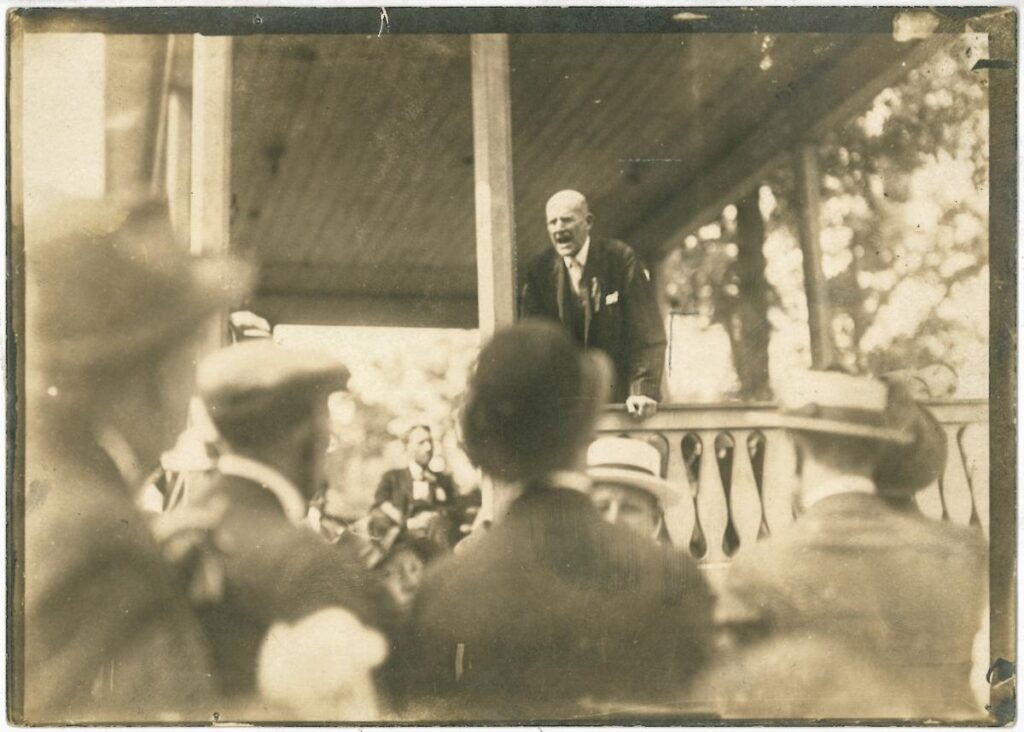
This growth was predicated on the historical context of the early 20th century, when Cleveland had taken its place as the heart of an industrial empire, represented quintessentially in the monopolistic trusts of Clevelander John D. Rockefeller. As industrialization pushed more workers into the mines, steel mills and garment factories, Cleveland would also become the site of increased working class organizing. This would only escalate as economic conditions worsened and the United States would enter World War One, sending workers to their deaths as the ruling class grew even more wealthy. These changing material conditions, alongside the organizing of the SPA detailed throughout this piece, led to unprecedented support for socialism. This strength was met with violent repression from the state, which, alongside internal party conflict and purges, led to a sharp downfall in SPA membership and activity nationwide.
The widespread dissatisfaction with the status quo was also channeled by more mainstream political organizations. The late 1800s and early 1900s saw the Progressive and Populist movements gain heightened support in national elections. This included repeat Democratic presidential nominee William Jennings Bryan and Republican President Theodore Roosevelt, who would later found a third party (the Progressive Party a.k.a. the Bull Moose Party). Some figures of the Progressive movement, like Illinois Governor John Peter Altgeld, were praised by socialists, but many of them strongly opposed socialism. Ultimately, the two largest political parties, despite flirtations with Progressivism and Populism, were largely beholden to the capitalist class, and no sizable third party would emerge. Additionally, the largest union confederation, the American Federation of Labor (AFL), was led by anti-socialist Samuel Gompers and avoided political advocacy until aligning with the Democratic Party in the late 1910s. At the turn of the century, the largest socialist organization in the country was the Socialist Labor Party (SLP), which remained marginal in size and had little engagement with mainstream politics.
Please return tomorrow for Part Two, “Electoral Politics”